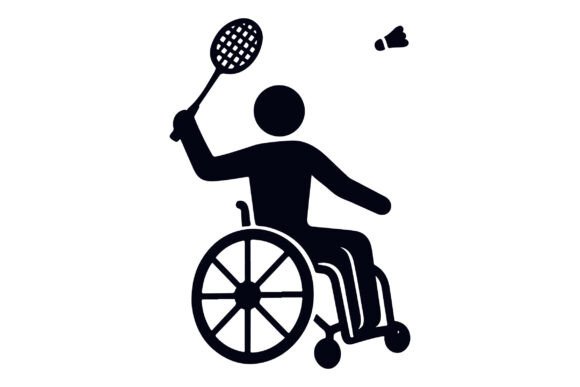
Wheelchair Badminton Player Silhouette
When I first pulled up the file for Wheelchair Badminton Player Silhouette, my immediate thought wasn’t about the technical specs, but about the story it tells. As a designer who reviews embroidery files for both personal projects and commercial client work, I look for designs that balance visual impact with stitchability. This digital illustration captures a moment of motion and determination in a way that feels authentic rather than stereotypical. It’s not just a silhouette; it is a graphic representation of athleticism and resilience that translates beautifully into textile art.
This product falls squarely into the category of Illustrations and Graphics. It is important to remember that this is a DIGITAL product. You will receive a ZIP folder containing the design assets, but no physical item will be mailed to you. For those of us in the handmade community, this means the value lies entirely in how you digitize, stabilize, and stitch this image into a tangible handmade product.
First Impressions: Mood and Visual Personality
The mood of Wheelchair Badminton Player Silhouette is dynamic. Unlike static portraits, this design implies forward momentum. The angle of the racket and the posture of the player suggest an active game in progress. From a design perspective, this creates a strong focal point. When I evaluate a new embroidery design, I ask myself: does it hold up when scaled down? Does it read clearly from three feet away?
In this case, the answer is yes. The silhouette format simplifies complex anatomy into clean lines, which is crucial for embroidery. Complex shading can get lost in thread texture, but a bold shape commands attention. It feels modern, inclusive, and empowering. It avoids being overly sentimental, instead opting for a cool, confident aesthetic that appeals to a broad audience. This makes it versatile enough for various markets, from sports enthusiasts to advocates for adaptive athletics.
Real-World Application: Where This Design Shines
I recently tested a similar dynamic silhouette on a custom embroidered tote bag for a local adaptive sports clinic. The result was striking. The high contrast of the design against the canvas fabric made the image pop without needing excessive detail. Wheelchair Badminton Player Silhouette performs exceptionally well in these types of applications because it relies on form rather than fine line work.
Here are some specific scenarios where this design excels:
- Custom Apparel and Sweatshirts: Placed on the chest or back of a heavyweight cotton sweatshirt, this design conveys strength. It works particularly well for team merchandise or awareness campaigns. The sweatshirt embroidery provides a sturdy base that supports the design’s weight visually.
- Tote Bag Designs: As mentioned, this is a natural fit. Whether for grocery shopping or carrying gym gear, a tote featuring this graphic serves as a conversation starter. It elevates a simple accessory into a statement piece.
- Embroidered Patches: If you are creating patches for jackets or bags, the clean edges of a silhouette allow for neat satin stitching around the perimeter. It looks professional and polished, perfect for commercial embroidery clients looking for branded gear.
- Baby Embroidery and Nursery Decor: While the theme is athletic, the simplicity of the silhouette makes it suitable for gender-neutral baby gifts. A onesie or a blanket with this design is unique and meaningful, offering a different narrative than traditional nursery themes.
- Holiday Gifts and Personalized Products: During the holiday season, people often seek unique gifts. This design stands out because it is thoughtful and supportive. It works well for personalized gifts for athletes, coaches, or family members involved in adaptive sports.
Technical Considerations for Stitching
While the artistic merit is high, we must talk about execution. Not every fabric behaves the same way. When using Wheelchair Badminton Player Silhouette, you need to be strategic about your material choices.
Fabric Texture and Stability: Avoid highly textured fabrics like heavy bouclé or loose-weave linen unless you are using a stabilizer specifically designed for such materials. The smooth surface of twill, cotton canvas, or jersey knit will yield the best results. For stretchy fabrics like t-shirt material, always use a cut-away stabilizer to prevent distortion during the hoop tension.
Thread Colors and Contrast: Because this is a silhouette, color choice is critical. On dark fabric, white or light grey thread will create the necessary contrast. On light fabric, black or navy thread is essential. I recommend testing your thread colors on scrap fabric first to ensure the density of the fill stitch doesn’t overwhelm the shape. If the design uses multiple colors, check that the transition points are clean.
Hoop Size and Placement: Ensure the hoop size of your machine accommodates the design dimensions comfortably. If you are placing this on a curved surface like a cap, pay close attention to the curvature. The design should follow the natural arc of the hat to avoid puckering. For flat items like aprons or pillow covers, centering is key to maintaining balance.
Where to Use Carefully
There are certain situations where this design might require extra caution:
- Small Hoop Sizes: If you are working with very small hoops (under 4x4 inches), inspect the smallest details. Silhouettes usually scale well, but if there are any internal cut-outs or thin connecting threads, they may break or become invisible.
- Dense Stitch Areas: Check the stitch density. If the design has large areas of solid fill, it can become stiff and uncomfortable on wearable items. Consider using a lighter underlay or a mesh fill if available in your digitizing software.
- Dark Fabric on Light Thread: Be mindful of thread coverage. Sometimes, two passes are needed to achieve full opacity, especially with lighter threads on dark backgrounds. This increases the risk of needle breaks or fabric damage if not done correctly.
Impact on Brand and Customer Trust
For Etsy sellers and small shop owners, the quality of your embroidery directly impacts customer trust. A poorly stitched design can make even a great idea look amateurish. Wheelchair Badminton Player Silhouette, when executed well, signals professionalism. It shows that you care about inclusivity and quality.
Using high-quality design assets helps maintain brand consistency. If your shop focuses on motivational or sports-themed products, this graphic fits seamlessly into your collection. It enhances the perceived value of your finished product. Customers are willing to pay more for items that look intentional and well-made.
Furthermore, this design fosters engagement. People connect with stories. A tote bag or sweatshirt featuring this silhouette isn’t just clothing; it’s a symbol of support. This emotional connection can lead to repeat customers and positive reviews, which are vital for growth in the craft business world.
Practical Designer Notes Before You Stitch
Before you commit to a final project, follow these steps to ensure success:
- Test on Scrap Fabric: Always run a test stitch on the same type of fabric you plan to use. This helps you adjust tension and stabilizer needs.
- Check Licensing: Confirm whether the digital embroidery file license allows for commercial use. If you plan to sell finished items, you need explicit permission. If not, limit your use to personal projects.
- Review Stitch Types: Identify where satin stitch, fill stitch, and running stitch are used. Satin stitches are great for outlines, while fill stitches provide body. Understanding the construction helps you troubleshoot issues like thread nesting.
- Compare Backgrounds: Create printable mockups on both light and dark backgrounds to visualize the final look before cutting fabric.
- Inspect Small Details: Zoom in on the digital file. Are there any tiny elements that might not survive the stitching process? Simplify if necessary.
In conclusion, Wheelchair Badminton Player Silhouette is a powerful addition to any designer’s library. It combines artistic appeal with practical stitchability, making it ideal for a wide range of embroidery projects. Whether you are creating a personalized gift for a friend or producing inventory for your custom apparel brand, this design offers a respectful and impactful representation of adaptive sports. Take the time to prepare your fabric and stabilize your hoop, and you will likely produce a handmade product that resonates deeply with your audience.