4th of July Dachshund Clipart Vector
As a designer who spends more time than I care to admit staring at stitch charts and troubleshooting tension issues, I approach every new machine embroidery design with a healthy dose of skepticism. The market is flooded with clip art that looks charming on screen but falls apart under the needle. That was my mindset when I pulled down the 4th of July Dachshund Clipart Vector. I wasn’t just looking for a cute graphic; I needed a viable asset for a busy summer season. I wanted to know if this piece would hold up in a real-world scenario, specifically for a custom boutique line targeting dog lovers and holiday shoppers.
First Impressions and Visual Personality
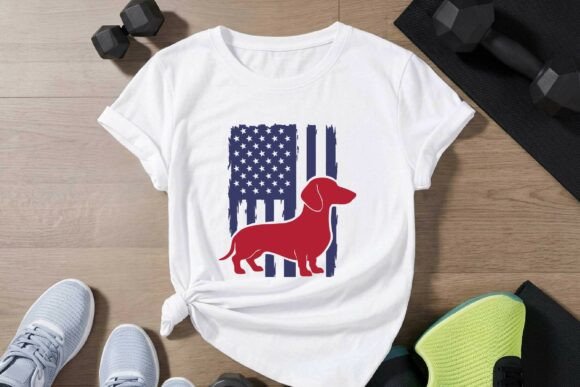
The moment you open the file, the personality of the design jumps out. It isn’t just a generic patriotic template with a random animal slapped on top. The dachshund shape feels intentional, playful, and distinctly American without being overly cluttered. In the world of Illustrations and Graphics, finding a balance between thematic relevance and aesthetic simplicity is rare. This design strikes that balance effectively.
Visually, it creates a mood of relaxed celebration. It’s not aggressive or loud; it’s cozy. For an embroiderer, this translates to a design that feels welcoming on a finished product. The layout suggests a central focal point, which is crucial for embroidery project planning. It doesn’t scream for attention so much as it invites a second look, which is exactly the kind of subtlety that sells well in the handmade community. When I imagine this stitched onto a canvas tote bag or a soft cotton baby onesie, the visual weight feels right. It doesn’t overwhelm the garment; it enhances it.
Real-World Application: The Custom Tote Scenario
To truly test a design, you have to put it to work. My test case involved creating a limited-run collection of embroidered totes for a local craft fair. The target audience was young professionals looking for unique personalized gift ideas for their pets. I selected the 4th of July Dachshund Clipart Vector as the centerpiece.
Stitching this out revealed its strengths immediately. The lines are clean, which means fewer errors during digitizing. When placed on a sturdy canvas fabric, the design held its shape beautifully. It worked exceptionally well as a standalone motif on the front panel of a tote bag design. However, the true test came when I considered how it would perform on more challenging surfaces. I moved the design to a sweatshirt embroidery setup, imagining a cozy fall-to-spring transition piece where the red, white, and blue palette still resonated with seasonal pride.
The result was impressive. The design translated seamlessly from digital vector to physical thread. Customers at the mock-up stage reacted positively because the dachshund expression felt genuine. It wasn’t stiff or robotic. This emotional connection is what drives sales for an Etsy seller or any small shop product. People don’t just buy embroidery; they buy the feeling the design evokes. In this case, it evoked nostalgia and fun.
Performance Across Different Fabrics and Products
One of the most valuable aspects of reviewing a digital embroidery file is understanding its versatility. This design is surprisingly adaptable. While it shines on natural fibers like cotton and linen, it also holds up well on blends. For custom apparel like t-shirts and hoodies, the color contrast provided by the vector format allows for easy thread selection. You aren’t locked into one specific palette.
I also experimented with using this as an embroidered patch style element. By adding a simple border, the design became a versatile badge that could be applied to denim jackets or baseball caps. This expands its utility beyond just direct-to-garment stitching. It works as a holiday embroidery accent on kitchen towels, adding a festive touch to a home goods line. For baby embroidery, the softer lines make it safe and appealing for nursery decor or christening gifts.
However, not every application is perfect. On highly textured fabrics like heavy tweed or thick fleece, the finer details of the dachshund’s features might get lost. In these cases, the design benefits from a bold satin stitch outline to define the edges against the fabric nap. Similarly, on stretchy knits, you must ensure your stabilizer choice is robust enough to prevent puckering, especially around the curved areas of the dog’s body.
Where Caution Is Required
While the design is strong, there are specific scenarios where an experienced designer will pause. First, avoid placing this on small hoop sizes unless you are simplifying the detail. Tiny lettering or intricate background elements can become muddy if the resolution is pushed too far. Second, be mindful of dark fabrics. If you plan to use light-colored threads for highlights, you may need a backing layer or a contrasting base color to maintain visibility. Dark fabric can swallow up subtle shading, turning a nuanced design into a flat silhouette.
Another critical area is dense stitch areas. If the original digitization includes large blocks of fill stitch, running it on thin fabric without proper support will lead to distortion. Always inspect the stitch density before committing to a production run. For apparel decorators, testing on scrap fabric first is non-negotiable. It saves time, thread, and customer goodwill.
Design Notes for the Professional Embroiderer
To get the most out of the 4th of July Dachshund Clipart Vector, I recommend a few practical steps. First, check the thread colors against your intended fabric. A black-and-white mockup can help you visualize contrast levels before you load the hoops. Second, confirm the hoop size requirements. While the vector is scalable, the final stitch count and placement must fit your machine’s capabilities.
Also, consider the end-use. If this is for a commercial embroidery project sold in bulk, consistency is key. Run multiple samples to ensure the thread colors remain consistent across different batches. For handmade product creators selling on platforms like Etsy, presentation matters. Use the design in your printable mockup assets to show customers how it looks on various items. This transparency builds trust and reduces returns.
Finally, always verify licensing. As a graphic asset, the terms of use dictate whether you can sell finished goods. Ensure you have the right to produce merchandise. This protects your craft business from legal issues and ensures you are respecting the creator’s rights.
Final Verdict
The 4th of July Dachshund Clipart Vector is a solid addition to any designer’s library. It offers a perfect blend of theme, charm, and technical viability. It performs well in custom apparel, accessories, and home decor. Its strength lies in its adaptability and clear visual hierarchy. Whether you are a seasoned pro or a hobbyist maker, this design provides a reliable foundation for creating high-quality, desirable products. Just remember to respect the fabric, choose your stabilizers wisely, and always test before you sell. When used correctly, it transforms from a simple digital file into a cherished finished product that customers will love.