Autism Awareness Raccoon Clipart Review
As a designer who spends more time staring at stitch density charts and fabric swatches than sleeping, I have developed a fairly strict filter for digital assets. The market is flooded with clipart that looks great on a screen but falls apart when translated into thread. When I first pulled up Free Autism Awareness Raccoon Clipart, my initial instinct was skepticism. "Another raccoon?" I thought. But in the world of handmade goods and embroidery, character-driven designs often outperform abstract patterns because they tell a story. This piece isn't just a graphic; it’s a potential anchor for a brand identity or a heartfelt personal gift.
This review breaks down how this specific design performs in real-world scenarios, from custom apparel to small business merchandise. We are looking past the marketing fluff—specifically the generic notes about it being a "Hi-quality Unique Design" and a "DIGITAL product"—to focus on what actually matters: visual impact, stitching viability, and commercial appeal.
First Impressions and Visual Personality
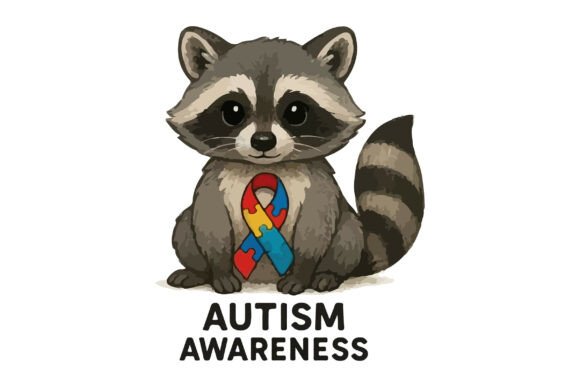
The moment you open the ZIP folder containing the Free Autism Awareness Raccoon Clipart, the layout dictates its potential use. The mood here is distinctly soft yet recognizable. Raccoons carry a natural charm—they are clever, slightly mischievous, and undeniably cute. When paired with the symbolism of autism awareness, typically represented by puzzle pieces or infinity loops in shades of blue, purple, or rainbow colors, the design gains emotional weight.
From a pure aesthetic standpoint, the silhouette is clean. For an embroiderer, a clean silhouette is gold. It means fewer jagged edges to worry about puckering and less risk of the final embroidery project looking cluttered. The visual personality suggests a design that belongs in the nursery decor category, children’s apparel, or perhaps a comforting accessory for someone navigating neurodiversity. It feels approachable, which is crucial if you intend to sell this as part of a boutique collection or a craft business line.
Real-World Application: Where Does This Fit?
I recently evaluated this asset for a hypothetical client project: a series of personalized gifts for a local community center supporting families affected by autism. Here is how I see Free Autism Awareness Raccoon Clipart translating across different mediums:
- Tote Bag Designs: A large, centered placement on a canvas tote bag allows the full character to breathe. The raccoon’s face becomes the focal point, creating a strong statement piece that shoppers will notice at craft fairs. It works exceptionally well as a handmade product that combines utility with advocacy.
- Baby Embroidery: On onesies or burp cloths, smaller iterations of this design shine. The softness of the raccoon theme pairs perfectly with baby items. However, one must be careful with scale; tiny details can get lost in the dense cotton of baby garments unless the digitization is precise.
- Sweatshirt Embroidery: For older children or adults, placing this on the chest of a hoodie offers a subtle nod to awareness without being overly loud. It serves as a conversation starter, making it ideal for custom apparel intended for school staff, therapists, or supportive parents.
- Embrdroidered Patches: If the design includes a clear border or negative space, it translates beautifully into iron-on patches. These are high-value items for Etsy sellers targeting the autism community. A well-executed patch adds a tactile element that flat graphics cannot match.
The versatility of this graphics file makes it a strong candidate for a small shop product lineup. You could easily create a cohesive brand using this raccoon motif across tea towels, pillow covers, and holiday gifts.
Technical Considerations for Embroidery Designers
While the source description promises a "Hi-quality Unique Design," quality in digital files does not automatically guarantee quality in stitching. As a professional reviewer, I must highlight several critical factors before you load this onto your machine.
Stitch Density and Detail Level
Raccoons have fur. Fur implies texture. In vector art or raster images, fur is just lines and shading. In machine embroidery, fur requires a mix of satin stitch, fill stitch, and potentially running stitch to simulate depth. If this design relies heavily on tiny, isolated stitches to create eye highlights or nose details, you risk those threads breaking or the fabric showing through.
I strongly advise testing the design on scrap fabric first. Check the stitch density. If the fill areas are too dense, the fabric will pucker excessively, ruining the drape of a tote bag design or the comfort of a sweatshirt embroidery piece. Conversely, if the fill is too sparse, the backing material might show through, giving the finished product a cheap appearance.
Fabric and Stabilizer Choices
The success of this embroidery file hinges on your substrate. Because the raccoon theme is soft and organic, it pairs best with stable, medium-weight fabrics like cotton twill, denim, or fleece. Avoid thin, stretchy knits unless you are using a heavy-duty stabilizer, as the tension required to keep the raccoon’s shape intact may distort the garment.
For dark fabrics, ensure the thread colors chosen provide sufficient contrast. If the raccoon is designed with light outlines, they might disappear against a black hoodie. Always run a printable mockup or a low-stitch-count test on the actual fabric color before committing to the final production run.
Commercial Viability and Licensing
For those of us running commercial embroidery businesses or selling on platforms like Etsy, the license terms are paramount. The product description notes that this is a digital download and you receive a ZIP folder. It explicitly states it is not a physical mailing. This confirms you are purchasing rights to use the digital asset, but it does not inherently grant unlimited commercial redistribution rights.
Before listing any finished product featuring Free Autism Awareness Raccoon Clipart, you must verify the specific usage rights included in the purchase. Can you sell an unlimited number of physical items? Can you offer the digital file itself for resale? Most "freebie" or low-cost clipart licenses allow for a limited number of sales or require attribution. Ignoring these details can lead to takedowns or legal issues.
If you are a creative entrepreneur building a brand around inclusivity, this raccoon design offers a friendly, non-threatening entry point. It avoids the clinical feel of some medical-themed graphics and instead embraces warmth and community. That emotional connection is what drives customer trust and repeat purchases.
Final Verdict
Free Autism Awareness Raccoon Clipart is a solid addition to any designer’s toolkit, provided you treat it with the technical respect it deserves. It is not a "set it and forget it" design; it requires thoughtful digitization, appropriate fabric selection, and clear understanding of licensing.
When executed correctly, however, the payoff is significant. You end up with a personalized gift or boutique branding element that resonates deeply with buyers. The raccoon’s inherent charm, combined with the meaningful cause, creates a product that feels both commercially viable and emotionally rewarding. Just remember to check your hoop size, inspect those small details, and always prioritize stitch clarity over sheer complexity. If you do your homework, this design will serve your craft business well.