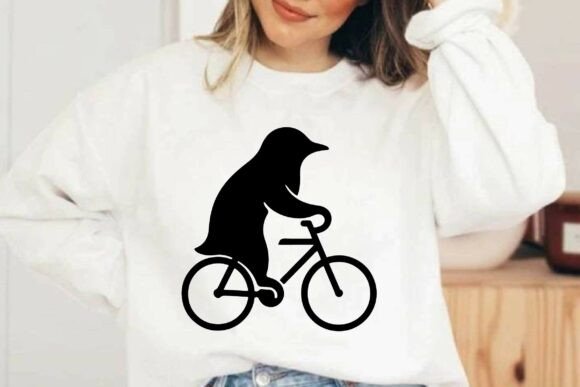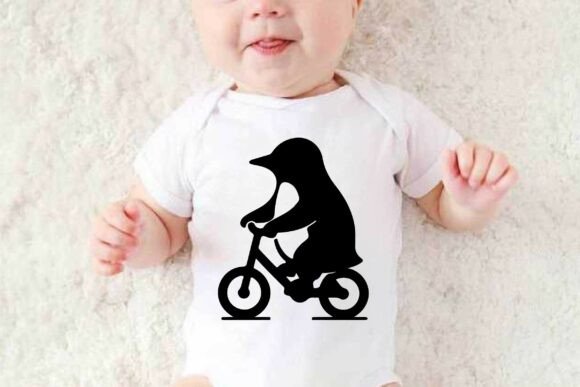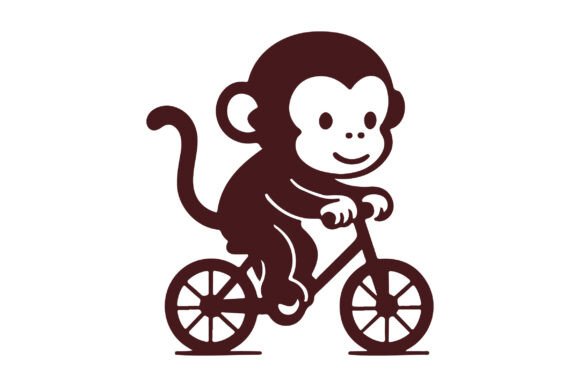
Cute Baby Monkey Riding Bicycle Clipart
As a designer who spends more time than I care to admit staring at stitch lines and worrying about tension settings, I approach every new machine embroidery design with a healthy dose of skepticism. The market is flooded with clip art that looks charming on a screen but falls apart under the needle. That is why I recently took a close look at the Cute Baby Monkey Riding Bicycle Clipart, not just as a pretty picture, but as a potential asset for real-world production. Whether you are an Etsy seller looking for your next bestseller or a hobbyist wanting to create a unique personalized gift, understanding how this embroidery file translates from digital pixel to physical thread is crucial.
This product falls squarely into the Illustrations and Graphics categories, marketed as a high-quality, unique digital item. The description promises a ZIP folder ready for print, which suggests it is likely a vector or high-resolution raster graphic intended for digitizing or direct sublimation/printing workflows. However, my focus here is strictly on its viability as a source for commercial embroidery projects. Let’s break down what makes this design tick and where it fits in your creative workflow.
First Impressions: Mood and Visual Personality
The immediate appeal of the Cute Baby Monkey Riding Bicycle Clipart lies in its narrative simplicity. It evokes a sense of playful nostalgia and whimsy. In the world of handmade products, emotional connection drives sales, and this design hits that mark effectively. The subject matter—a baby monkey on a bike—is inherently adorable, making it a strong candidate for niches like nursery decor, baby showers, and children’s apparel. Unlike generic animal designs, the bicycle element adds a dynamic quality, suggesting movement and adventure even in a static embroidered form.
From a layout perspective, the composition appears balanced enough to serve as a standalone focal point. For a tote bag design, this kind of central, self-contained image works beautifully because it doesn’t require complex background elements to make sense. It stands alone with confidence. The visual personality is light and cheerful, which immediately signals to the buyer that this is a fun, lighthearted piece rather than something serious or formal. This clarity helps in branding; if your shop focuses on joyful, family-oriented goods, this design aligns perfectly with that identity.
Real-World Application: Where Does It Shine?
I often think about embroidery project ideas before I even open the file. With this specific design, several high-value use cases come to mind. First and foremost is the realm of baby embroidery. A small, well-executed version of this monkey could be stitched onto a muslin bib, a burp cloth, or the pocket of a onesie. The theme is gender-neutral enough to appeal to a broad audience, yet distinct enough to feel special.
Another strong contender is the sweatshirt embroidery market. Parents and young adults love cozy, cute aesthetics. Placing this design on the front left chest area of a crewneck sweatshirt creates a subtle, stylish look that appeals to both toddlers and their parents. It also translates exceptionally well to custom apparel like hoodies for older children, where the "cool factor" of riding a bike resonates with kids.
For craft fair vendors and Etsy sellers, this design is versatile. Imagine it on a canvas tote bag—a classic combination that never goes out of style. It also works wonderfully as an embroidered patch that can be ironed or sewn onto denim jackets, backpacks, or hats. The concept of a "little traveler" fits naturally with travel-themed accessories. Furthermore, as a holiday embroidery option, it could be adapted for Easter baskets or birthday gifts, adding a personalized touch that mass-produced items simply cannot match.
Technical Considerations and Stitching Challenges
While the concept is strong, we must talk about execution. Not all graphics are created equal when it comes to stitching. The Cute Baby Monkey Riding Bicycle Clipart contains fine details—the spokes of the bicycle, the facial features of the monkey, and perhaps some fur texture. These small elements require careful planning. If you are using this as a base for an applique design, the clean lines will help significantly in cutting fabric shapes accurately. However, if you are relying solely on thread work, you need to ensure your digitizer (or your own hand) pays attention to stitch density.
One area to watch closely is the hoop size. If you attempt to stitch this on a very small hoop, such as a 4x4 inch frame, the tiny details might get lost or become muddy. The bicycle wheels, in particular, can be tricky; if the gaps between the spokes are too narrow, the thread may bunch up or break. I recommend testing the design on scrap fabric first to see how the machine handles these tight spaces. Additionally, consider the thread colors. A bright yellow bike against a dark blue fabric will pop, but low contrast areas might disappear visually after stitching.
There are also specific fabrics where this design should be used carefully. Stretchy knits, without proper stabilization, can cause distortion, warping the circular shape of the bicycle wheels. Textured fabrics, like heavy waffle-weave towels, might obscure the finer details of the monkey’s face. For these reasons, using a stable cut-away stabilizer is non-negotiable for maintaining the integrity of the finished product.
Impact on Brand Value and Customer Trust
In the competitive landscape of craft business and online marketplaces, presentation is everything. A high-quality digital embroidery file or a cleanly stitched final item builds trust. When a customer sees a crisp, well-defined monkey on a bicycle, they perceive value. They assume the maker put care into the project. Conversely, sloppy stitching on a complex design can make even a well-intentioned product look cheap.
This design supports brand consistency if your aesthetic is playful and detailed. It allows for cohesive collections—for example, a matching set of a monkey on a bike, a monkey holding a balloon, and a monkey reading a book. These series encourage repeat purchases and higher cart values. Moreover, because it is a unique design, it helps differentiate your small shop product from competitors who might be using overused, generic clip art. Customers are increasingly savvy; they appreciate originality and are willing to pay a premium for designs that feel fresh and thoughtful.
Practical Designer Notes for Success
- Test Before You Sell: Always run a test stitch on the actual fabric you plan to use. Check how the fabric texture interacts with the thread.
- Check Contrast: View your design in black and white mockups to ensure there is enough visual separation between different parts of the image.
- Inspect Small Details: Zoom in on the bicycle chain and monkey’s eyes. Are they clear? If not, simplify the design or adjust the stitch type.
- Verify Licensing: Since this is a DIGITAL product, double-check the commercial use rights. Can you sell the finished embroidered items? Can you include it in printable mockups? Confirming licensing prevents legal headaches later.
- Stabilizer Choice: Use the appropriate stabilizer for your fabric weight. Heavy-duty cut-away for dense fills, tear-away for lightweight woven fabrics.
Ultimately, the Cute Baby Monkey Riding Bicycle Clipart offers a charming, marketable foundation for a variety of handmade product lines. Its success depends less on the image itself and more on the technical skill applied during digitization and embroidery. By respecting the details, choosing the right materials, and understanding the target audience, you can transform this simple graphic into a standout piece that delights customers and elevates your brand. Whether you are creating a single personalized gift or building a line of design assets for your store, this design has the potential to ride straight into success—if handled with professional care.