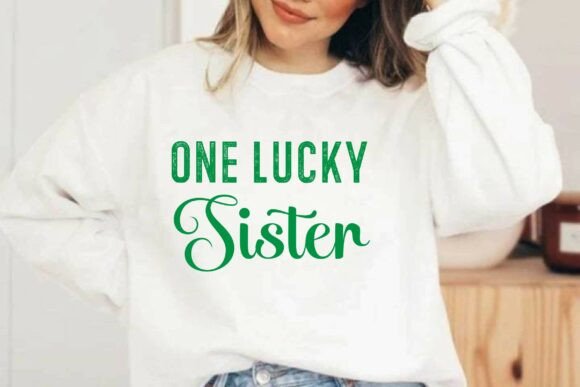
One Lucky Sister SVG T-shirt Sublimation Review
As a designer who spends more time looking at stitch density and fabric grain than I do watching TV, I approach every new digital asset with a mix of skepticism and hope. We have all been there: scrolling through marketplaces, seeing a pretty image, buying it, and then realizing too late that the design simply does not translate well to thread. Today, I am putting One Lucky Sister SVG T-shirt Sublimation under the microscope. This is not just about how it looks on a screen; it is about how it performs when it hits the hoop, cuts into the stabilizer, and eventually sits on a customer’s chest or bag.
The product description highlights this as a high-quality unique digital product, delivered in a ZIP folder ready for print or digitization. But "high quality" is a subjective term until you see it applied to real-world materials. My goal here is to help embroidery designers, small business owners, crafters, Etsy sellers, and handmade shop owners decide if this design deserves a spot in your commercial library before you invest your time and expensive floss into it.
First Impressions and Visual Personality
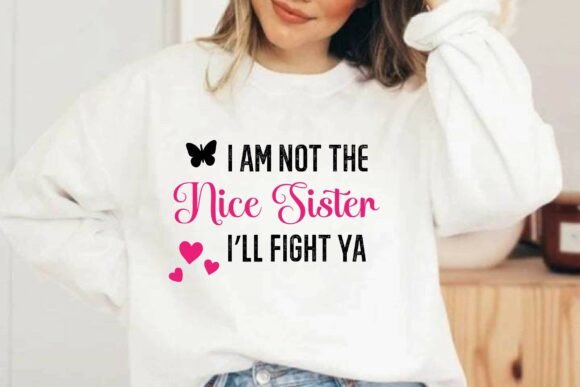
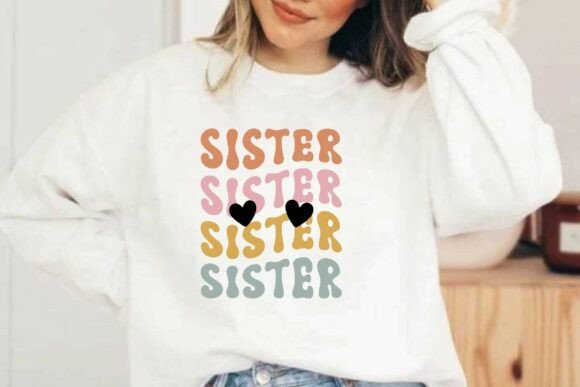
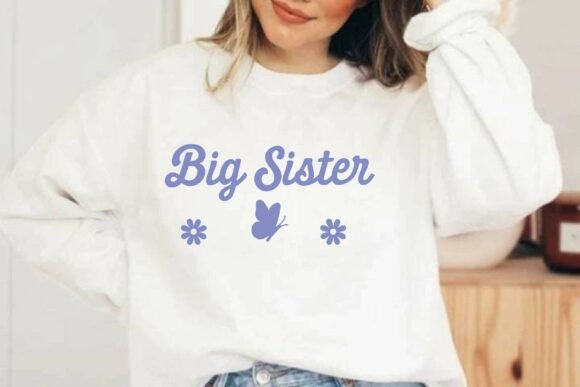
When I first opened the files for One Lucky Sister SVG T-shirt Sublimation, the immediate takeaway was clarity. In the world of Illustrations and Graphics, especially those destined for sublimation or vector-based embroidery workflows, clean lines are non-negotiable. The theme revolves around sisterhood, which can often veer into cliché territory with overly ornate fonts or cluttered layouts. However, this design manages to strike a balance between sentimental warmth and modern minimalism.
The mood it creates is one of casual connection. It feels less like a formal greeting card and more like a statement piece you would wear on a weekend brunch or a family reunion. For an embroidery project, this translates to versatility. It is not so intricate that it requires hours of manual editing, nor is it so simple that it lacks character. The visual personality suggests a brand that values authenticity over flashiness. This is crucial for boutique branding and small shop products where consistency and trust are key selling points.
Real-World Application: Where Does It Shine?
To truly evaluate any machine embroidery design, we have to imagine it on actual products. Let’s look at a few scenarios where One Lucky Sister SVG T-shirt Sublimation could genuinely add value to your inventory.
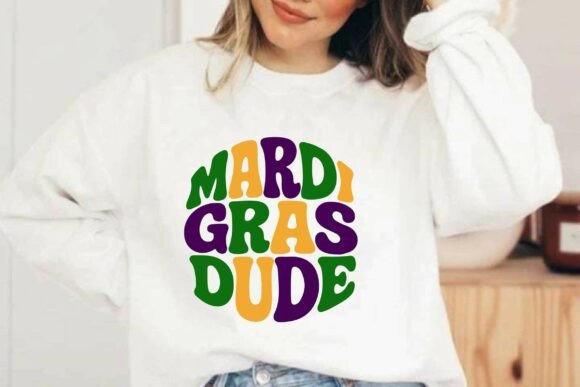
- Custom Apparel and Sweatshirts: This is perhaps the most obvious use case. Whether you are creating matching outfits for a bachelorette party or a holiday gift for siblings, the design scales well. On a sweatshirt, the contrast between the thread and the heavy cotton fleece allows the details to pop without getting lost in the texture. It works beautifully as a chest pocket placement or centered on the back.
- Tote Bag Design: Canvas bags are a staple for the craft business. Using this as a tote bag design adds a personal touch that generic store-bought items lack. Because the design likely relies on clear shapes rather than tiny text, it remains legible even on the coarse weave of canvas. It appeals directly to the demographic of young women and mothers who appreciate personalized gifts.
- Baby Embroidery and Nursery Decor: There is a growing market for sibling sets. Imagine a onesie for a baby girl paired with a larger shirt for her older sister. The softness implied by the design aesthetic makes it suitable for baby embroidery projects, provided the stitch count is manageable. It also translates well to pillow covers or nursery wall art, bridging the gap between wearable goods and home decor.
- Embroidered Patch and Apron Projects: For kitchen enthusiasts, applying this to a high-quality apron creates a fantastic personalized gift. Similarly, turning this into an embroidered patch for a denim jacket or a cap adds a layer of customization that customers are willing to pay a premium for. It elevates a basic garment into a unique fashion statement.
Practical Considerations and Potential Pitfalls
No design is perfect, and knowing where a file might struggle is just as important as knowing where it succeeds. As a reviewer, I must highlight areas where you need to exercise caution.
First, consider the hoop size. If the original artwork contains elements that extend far beyond standard 4x4 or 5x7 inch hoops, you will need to plan for multi-hoop stitching. This increases production time significantly. Always check the bounding box of the embroidery file before listing it as a quick-turnaround item.
Secondly, look closely at the fine details. If the design includes tiny lettering or very thin decorative accents, these can become muddy on certain fabrics. On textured fabrics like boucle or thick chenille, small details disappear. On stretchy fabric like jersey knits, thin lines may pucker if the stabilizer choice is incorrect. I strongly advise testing the design on scrap fabric first, specifically checking how the satin stitch handles any curved edges or tight corners.
Another critical factor is thread colors. Sublimation designs often rely on vibrant, flat colors that do not always translate directly to thread palettes. You may need to adjust your color mapping to ensure sufficient contrast. A light pastel design on a dark t-shirt will require a backing or specific stitching technique to prevent show-through, which can ruin the professional finish of your finished product.
Stitch Density and Fabric Texture
The success of any embroidery project often hinges on the relationship between the stitch density and the base material. If One Lucky Sister SVG T-shirt Sublimation features large areas of fill stitch, ensure your machine can handle the tension without distorting the garment. Conversely, if it uses mostly running stitch for outlines, the design might feel lightweight and airy, which is great for delicate fabrics but might look sparse on a heavy-duty workwear item.
For commercial embroidery purposes, consistency is king. If you are producing ten identical shirts, you want a design that stitches reliably without frequent trimming or re-threading. Test the design repeatedly to identify any weak points in the code or structure. This diligence builds customer trust and reduces returns due to poor quality.
Strategic Advice for Sellers and Makers
If you are an Etsy seller or running a craft business, how you present this design matters as much as the design itself. Use printable mockups to show potential buyers how One Lucky Sister SVG T-shirt Sublimation looks on different garments. Show it on a white tee, a black hoodie, and a canvas tote. This helps visualize the design assets in context.
Be transparent about licensing. Since this is a digital product, clarify whether the buyer has rights to sell the finished physical items. This protects you legally and sets clear expectations for your customers. Many creative entrepreneurs miss this step, leading to disputes later on.
Furthermore, think about bundling. Pair this digital embroidery file with complementary designs, such as matching phrases for moms or friends, to create a collection. Bundles increase perceived value and encourage larger orders. It transforms a single purchase into a cohesive brand experience.
Final Verdict
After analyzing the visual appeal, practical application, and potential challenges, One Lucky Sister SVG T-shirt Sublimation emerges as a solid addition to a versatile design library. It is not a niche novelty; it is a broadly appealing graphic that fits seamlessly into the categories of custom apparel, holiday embroidery, and personalized gifts.
It offers enough detail to be interesting but enough simplicity to be reproducible at scale. For the right maker—one who pays attention to stabilizer choices, thread contrast, and proper finishing—this design can yield high-margin, high-satisfaction products. Just remember to test thoroughly, respect the limits of your equipment, and always prioritize the tactile quality of the handmade product you are sending out into the world.
In short, if you are looking for a reliable, emotionally resonant design that bridges the gap between digital convenience and tangible craftsmanship, this is worth your consideration. Just keep your scissors sharp and your hoop stable.