Raccoon Head Silhouette Review
As a designer who spends more time staring at stitch charts and fabric swatches than sleeping, I approach every new digital asset with a mix of curiosity and skepticism. The market is flooded with generic clip art, so finding a design that actually holds up under the scrutiny of an embroidery machine is rare. That is why I decided to put Raccoon Head Silhouette through its paces. This isn’t just about how it looks on a screen; it is about how it translates into thread, texture, and a tangible product that customers will love.
I recently received this digital file for testing, specifically looking at its potential for a small boutique line of custom apparel and home goods. The product description promises high-quality unique graphics, but as professionals, we know that "high quality" can mean many things. Does it digitize well? Is the detail too fine for standard machines? Will it hold its shape after washing? Here is my practical breakdown of how Raccoon Head Silhouette performs in real-world scenarios.
First Impressions and Visual Personality
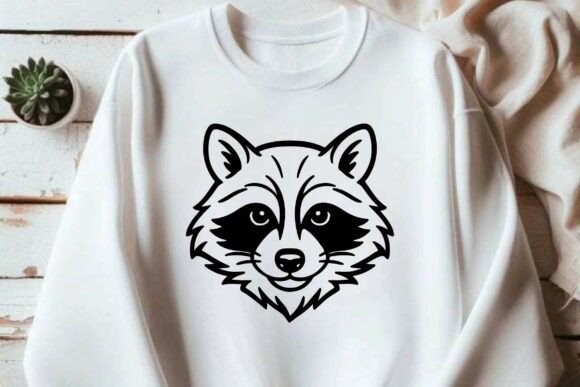
The moment you open the ZIP folder containing the Raccoon Head Silhouette, the first thing you notice is the clean, bold nature of the graphic. It falls squarely into the category of modern illustrations and graphics that rely on negative space rather than intricate, cluttered details. For an embroiderer, this is a huge plus. Silhouettes are forgiving; they allow the texture of the fabric and the sheen of the thread to become part of the design itself.
The mood created by this raccoon head is playful yet sophisticated. It avoids the overly cartoonish look that often feels cheap on premium garments. Instead, it has a graphic novel aesthetic that works beautifully for urban streetwear, cozy cabin decor, or trendy nursery items. When I placed the design on a mockup of a heather grey sweatshirt, the contrast was immediate. It felt like a statement piece rather than a filler graphic. This kind of visual personality is exactly what drives engagement on platforms like Etsy, where buyers are scrolling quickly and need to be grabbed by strong, recognizable imagery.
Real-World Application: From Screen to Stitch
Let’s talk about actual use cases. I tested the concept of using Raccoon Head Silhouette for a few different projects to see where it fits best. The most obvious candidate was a set of custom embroidered tote bags. Because the design is a solid silhouette, it covers a good amount of surface area without becoming heavy or stiff. When stitched out, the fill stitch creates a smooth, uniform surface that contrasts nicely against the canvas texture of the bag. It feels substantial, not flimsy.
I also considered this design for baby clothes and nursery decor. Raccoons have a natural appeal to parents looking for woodland-themed items. However, here is where the designer’s eye needs to be sharp. If you plan to use this for baby embroidery, you must ensure the digitization includes soft edges or appropriate underlay stitches so the fabric doesn’t pucker around the eyes and nose area. A poorly digitized silhouette can look harsh on delicate infant fabrics. But when done right, a personalized gift featuring this raccoon becomes a standout item in a handmade shop.
Another interesting application is for embroidered patches. The clean outline of the raccoon head makes it ideal for iron-on or sew-on patches. These are popular among crafters who want to customize denim jackets or backpacks. The versatility of the design means it can serve as a standalone logo for a craft business or as a decorative element on larger apparel projects.
Where Caution is Required
No design is perfect for every situation, and Raccoon Head Silhouette is no exception. There are specific constraints you need to consider before adding this to your production workflow.
- Small Hoop Sizes: While silhouettes are generally simple, if the raccoon head contains tiny details—like whiskers or inner ear textures—you must check the minimum size requirements. Trying to stitch microscopic details in a 4x4 inch hoop often results in a muddy, indistinct mess. If the design relies on fine lines, stick to larger hoops.
- Textured and Stretchy Fabrics: Embroidery on textured fabrics like bouclé or highly stretchy knits requires extra stabilization. A dense fill stitch, which a large silhouette might require, can distort thin or stretchy materials. Always test on scrap fabric first to see how much the base material shifts.
- Dense Stitch Areas: If the design uses heavy fill stitches, it can make the final product stiff. This is less of an issue for tote bags or aprons, but for custom apparel like t-shirts or lightweight hoodies, excessive density can feel uncomfortable against the skin. You may need to adjust the stitch type to a lighter satin or running stitch combo if the original file is too dense.
- Curved Surfaces: Applying this to caps or curved hat panels can be tricky. The flat geometry of a digital file does not always translate perfectly to a curved brim. Distortion can occur, especially if the raccoon’s facial features are asymmetrical. Test placement carefully to ensure the face remains centered and undistorted.
Technical Notes for the Designer
Before you commit to using Raccoon Head Silhouette for commercial purposes, there are several technical checks you should perform. First, inspect the stitch density. High-density designs save time but can damage delicate needles or fabrics. Low-density designs look cleaner but may require multiple passes to achieve full coverage.
Check the thread colors available in your machine. A black silhouette on black fabric is invisible, obviously, but even dark navy on charcoal can lose definition. Contrast is key. I recommend creating a printable mockup in black and white to evaluate the balance of the design without the distraction of color. Also, verify the hoop size compatibility. Ensure your machine can handle the dimensions of the design without requiring re-hooping, which can misalign the stitching.
Furthermore, confirm the licensing terms. Since this is a digital embroidery file, the license dictates whether you can sell the finished physical products. Some designers allow commercial use of the final item, while others restrict it. As an Etsy seller or small shop owner, understanding these rights protects your business from legal issues down the line.
Final Verdict on Value and Appeal
Overall, Raccoon Head Silhouette is a strong addition to any designer’s library. It offers a high level of visual appeal with relatively low technical risk, provided you respect the limitations of the medium. It enhances the perceived value of a handmade product because it looks intentional and polished. Customers associate clean, well-executed embroidery with quality and care, which builds trust and encourages repeat purchases.
This design is particularly effective for holiday embroidery projects, seasonal collections, or themed merchandise. Its neutral yet charming subject matter appeals to a broad audience, making it a safe bet for inventory planning. Whether you are creating apron designs for kitchen enthusiasts or sweatshirt embroidery for fashion-forward teens, this raccoon head brings a touch of whimsy that resonates with buyers.
In conclusion, if you are looking for a versatile, visually striking design that bridges the gap between simple graphics and complex embroidery, Raccoon Head Silhouette delivers. Just remember: the magic happens in the preparation. Test thoroughly, choose your stabilizer wisely, and let the quality of the execution speak for itself. Your customers will notice the difference.