Shirt and Tie Silhouette Vector Clipart Review
As a designer who spends more time staring at stitch charts than sleeping, I approach every new asset with a mix of hope and skepticism. We have all been there: you find a graphic that looks perfect in the preview window, only to realize halfway through digitizing that it is going to unravel into a mess on actual fabric. Today, I am putting Shirt and Tie Silhouette Vector Clipart through its paces. This is not just about how it looks as a static image; it is about how it behaves when converted into a machine embroidery design, how it holds up under the needle, and whether it has the commercial viability for your small business or craft fair booth.
First Impressions and Visual Personality
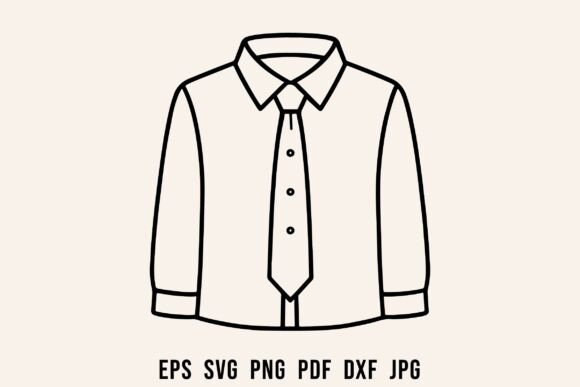
The moment you load this vector clipart into your design software, the mood is immediately established. It is crisp, professional, and undeniably formal. The silhouette captures the essence of business attire without getting bogged down in unnecessary minutiae. For an embroidery project, simplicity is often your best friend. Intricate details can get lost in the thread, but a clean silhouette translates beautifully from screen to textile. The shape suggests confidence and structure, making it an ideal choice for corporate gifts, graduation keepsakes, or even a stylish addition to a husband’s apparel.
What stands out here is the balance between negative space and solid form. In the world of machine embroidery design, the way light hits the surface of the stitches matters. A well-proportioned silhouette allows for bold satin stitch outlines or dense fill stitch interiors that catch the eye. This particular design feels like it was made with digitization in mind. The lines are smooth, which means fewer jagged edges and a cleaner finish on the final product. It feels less like a generic icon and more like a curated piece of art suitable for high-end custom apparel.
Real-World Application: The Corporate Gift Scenario
Let’s imagine a real-life scenario. You are an Etsy seller preparing inventory for the holiday season. Your target audience includes office managers looking for unique team gifts or individuals wanting personalized presents for mentors and bosses. You decide to use this embroidery file on a premium canvas tote bag or a structured baseball cap.
When I visualize this project, the contrast is key. Placing a dark navy or black silhouette on a light beige tote creates a striking visual anchor. Alternatively, using white thread on a charcoal grey sweatshirt offers a subtle, sophisticated look. The versatility of this Graphics category item shines here. It works equally well as a standalone motif on the chest of a polo shirt or as a larger statement piece on the back of a hoodie. For small shop product owners, this kind of recognizable imagery resonates quickly. Customers see a shirt and tie and instantly understand the context—it’s professional, it’s masculine (typically), and it’s celebratory. It removes the guesswork for the buyer, allowing them to focus on the personalization aspect, such as adding a name or date.
Technical Considerations for Embroidery Designers
While the vector source is clean, the devil is always in the digitizing. Before committing this design to production, there are several technical checkpoints every designer must consider. First, look at the stitch density. If the design calls for too much thread in a small area, it can become stiff and uncomfortable against the skin, especially on custom apparel like t-shirts. However, if used on sturdier fabrics like denim or canvas, higher density is acceptable and adds durability.
You must also evaluate the hoop size limitations. While this is a digital embroidery file, the physical constraints of your embroidery machine matter. Ensure the bounding box of the design fits comfortably within your hoop, leaving enough margin for stabilization. When testing, always check the corners of the tie knot and the lapels of the shirt. These are areas where running stitch or fine detail work can sometimes pull or distort if the stabilizer is not chosen correctly. For stretchy fabrics like jersey knits, a cut-away stabilizer is non-negotiable to prevent puckering.
Another critical factor is thread color contrast. A silhouette relies heavily on the distinction between the thread and the base fabric. If you are working with textured fabrics, such as bouclé or heavy wool, the texture might interfere with the smoothness of the silhouette. In these cases, opting for a thicker thread or a simpler outline design might yield better results than attempting a full fill. Always test on scrap fabric first. This simple step can save you hours of re-digitizing and prevent customer returns due to poor stitch quality.
Where to Exercise Caution
Not every surface is created equal. There are specific scenarios where this design might struggle. Avoid placing intricate silhouettes on highly curved surfaces like the front panel of a fitted cap unless you have specialized equipment and experience. The distortion can warp the clean lines of the vector. Similarly, be cautious with baby embroidery projects. While cute, delicate silhouettes can sometimes look too severe or formal for infant wear. If you adapt this for children, consider softening the colors or scaling it down appropriately.
Furthermore, if you plan to wash these items frequently, ensure the design is robust. Designs with excessive loose threads or tiny isolated elements are prone to snagging. This Shirt and Tie Silhouette Vector Clipart appears sturdy, but verifying the stability of the outer edges during the digitization phase is crucial for longevity. For products that need frequent washing, such as kitchen towels or aprons, a simpler outline version might be more practical than a detailed fill.
Impact on Brand and Customer Trust
In the competitive landscape of handmade goods, presentation is everything. Using a high-quality vector asset like this elevates the perceived value of your finished product. When a customer receives a gift with a crisp, professional-looking embroidery, they associate that clarity with the care and skill of the maker. This builds customer trust and encourages repeat business. It signals that you pay attention to detail, which is a powerful selling point for commercial embroidery services.
Moreover, this design lends itself well to branding. Imagine a boutique logo integrated with this silhouette, or a consistent theme across a line of matching family outfits for a wedding or reunion. The recognizability of the shape aids in brand consistency. It is a visual shorthand that communicates professionalism and style. For creative entrepreneurs, leveraging such versatile assets allows for faster turnaround times without sacrificing aesthetic quality.
Final Verdict for Makers and Sellers
After reviewing the structural integrity and visual appeal of Shirt and Tie Silhouette Vector Clipart, my conclusion is positive. It is a reliable, adaptable asset that fits seamlessly into a variety of embroidery project categories. Whether you are creating a personalized gift for a father’s day special, designing merchandise for a craft business, or updating your portfolio with new design assets, this clipart delivers on its promise of quality.
Remember, the success of any embroidery project lies in the preparation. Check your licensing terms to ensure you are cleared for commercial embroidery sales. Test your thread combinations. Choose the right stabilizer. And always keep your needles sharp. When you combine these technical best practices with a strong foundational design like this one, you create a finished product that customers will cherish. It is a smart addition to any Illustrations library focused on fashion, business, or formal wear themes.