Review: Cocktail Glass Line Art Clipart Vector for Embroidery
As a designer who spends more time than I care to admit staring at stitch density charts and testing thread tensions, I approach every new asset with a healthy dose of skepticism. The market is flooded with "unique" digital files that look beautiful on a screen but fall apart under the needle. That is why I decided to put Cocktail Glass Line Art Clipart Vector through its paces before recommending it to my network of crafters and small business owners. This isn't just another pretty picture; it is a DIGITAL product designed for immediate use, and understanding how it translates from vector to fabric is crucial for anyone looking to create high-quality handmade products.
First Impressions: Mood and Visual Personality
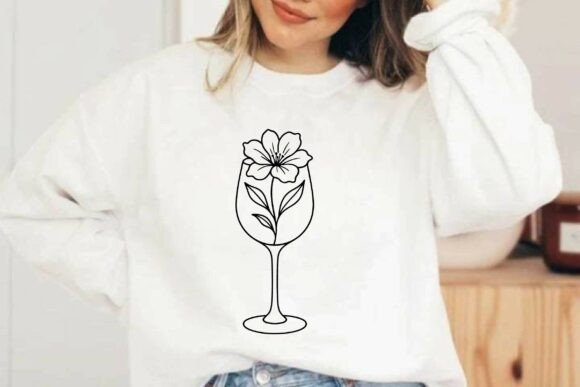
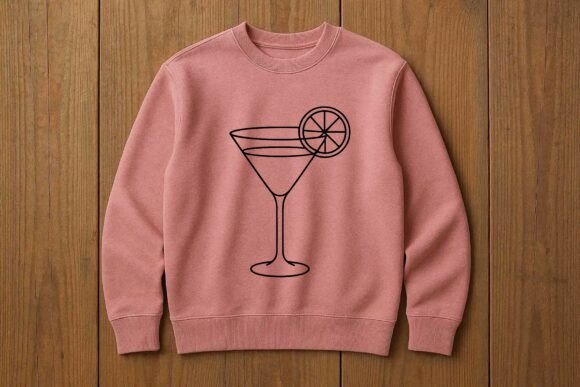
The moment you open the ZIP folder containing this design, the aesthetic speaks for itself. It captures a specific mood—effortless sophistication mixed with playful minimalism. The line art style is clean, relying on negative space rather than heavy fills to create form. For an embroidery designer, this is both a blessing and a challenge. The visual personality suggests evening wear, bridal showers, or upscale barware sets, but the simplicity makes it incredibly versatile. It feels like a modern twist on classic motifs, suitable for everything from a chic tote bag design to a delicate baby embroidery piece.
Unlike dense, complex illustrations that require hours of digitizing adjustments, this machine embroidery design relies on clarity. The lines are distinct, which means they have the potential to stitch cleanly without muddying together. However, the success of this embroidery project hinges entirely on execution. A simple line can look elegant or sloppy depending on your tension settings and stabilizer choice. When I first laid out the mockup, I immediately thought about how this would perform as an embroidered patch or a centered chest logo on custom apparel.
Real-World Application: From Screen to Stitch
I took this digital embroidery file into the studio to test it across various mediums. The goal was to see if the Cocktail Glass Line Art Clipart Vector could hold up in real-life scenarios where customers actually interact with the finished product. My primary test case was a canvas tote bag design. Line art tends to pop beautifully against the natural texture of canvas, providing a crisp contrast that draws the eye. The result was striking; the glass shape remained defined even when stitched at a moderate scale.
Next, I moved to softer fabrics. Testing this on a cotton-blend sweatshirt revealed the importance of proper stabilization. Because the design is primarily linear, it lacks the structural weight of a heavy fill stitch. Without a cut-away stabilizer underneath, the fabric puckered slightly during the initial run. Once stabilized correctly, however, the sweatshirt embroidery looked professional and polished. It’s a great option for holiday embroidery gifts, perhaps paired with subtle gold or silver metallic threads to elevate the glass motif.
I also considered its application in nursery decor or baby embroidery. While the theme is adult-oriented, the minimalist style works well for gender-neutral nursery items if scaled down appropriately. Imagine a tiny, delicate outline of a cocktail glass (perhaps filled with juice!) on a muslin burp cloth. It adds a touch of humor and style that parents appreciate. Similarly, for Etsy sellers, this design offers flexibility. It can be used for personalized gifts like monogrammed aprons or kitchen towels, bridging the gap between functional home goods and decorative accents.
Where Caution Is Required
Not every surface is created equal, and Cocktail Glass Line Art Clipart Vector has specific limitations that designers must respect. I strongly advise against using this on highly textured fabrics like chunky knits or bouclé wool. The fine lines will get lost in the weave, resulting in a muddy, indistinct image. Similarly, stretchy fabrics like spandex blends require careful handling; if the hoop tension is too tight, the lines may distort, making the glass look warped.
Small hoop sizes present another hurdle. If you attempt to stitch this design too small, the individual strokes may merge. On a standard 4x4 inch hoop, you need to ensure the resolution is high enough. If you are aiming for a detail level that mimics actual applique design techniques, you might find that the single-line approach lacks the depth required for tiny applications. In such cases, consider combining this vector with other elements to create a larger composition.
Dark fabrics also pose a challenge. Unless you are using a light-colored thread on a dark background (which can sometimes look harsh), the contrast needs to be managed carefully. I found that using a medium-weight stabilizer helped maintain the integrity of the lines on darker cottons, preventing the thread from sinking into the fabric fibers.
Impact on Product Value and Branding
For craft business owners, the quality of the design directly impacts perceived value. A well-executed finished product with clean lines signals professionalism and attention to detail. Customers are willing to pay a premium for items that look intentionally designed rather than hastily stamped. This Grahpics asset supports brand consistency by offering a sleek, modern look that fits well with contemporary branding trends.
Furthermore, the versatility of this design assets package allows for creative expansion. You can pair the cocktail glass with other line-art elements like lemons, straws, or text quotes to create cohesive collections. This strategy boosts buyer engagement by encouraging multiple purchases. Whether you are listing on Etsy or running a boutique shop, having a library of compatible designs helps streamline your workflow and ensures a unified aesthetic across your small shop product range.
Practical Designer Notes
- Test on Scrap Fabric: Always run a test stitch on the exact fabric you plan to use. This helps you adjust tension and identify any potential issues before committing to the final piece.
- Check Thread Contrast: Ensure your thread colors provide sufficient contrast against the fabric. Light gray thread on white fabric will disappear, while black on black will vanish.
- Inspect Small Details: Zoom in on the vector before digitizing. Look for any overlapping paths or tiny nodes that might cause stitching errors.
- Use Proper Stabilizer: A stable base is non-negotiable for line art. Use a tear-away or cut-away stabilizer depending on the fabric's stability.
- Confirm Licensing: Before selling any commercial embroidery items, verify the license terms associated with this DIGITAL product. Some vendors restrict commercial use or require attribution.
- Black and White Mockups: View the design in grayscale to check balance and spacing. Color can sometimes mask compositional flaws.
In conclusion, Cocktail Glass Line Art Clipart Vector is a strong candidate for designers seeking clean, modern aesthetics. It requires skillful execution but rewards the maker with a sophisticated, high-end look. By paying attention to fabric choice, stabilization, and thread selection, you can transform this simple vector into a stunning embroidery project that stands out in any marketplace.