Floral Tile Clipart Vector Sublimation: An Embroidery Review
As a designer who spends more time staring at stitch density charts than actual flowers, I approach every new digital asset with a healthy dose of skepticism. The market is flooded with "high-quality" vector files that look stunning on screen but fall apart under the needle. Today, I am putting Floral Tile Clipart Vector Sublimation through its paces to see if it holds up in a real-world embroidery project. This isn't just about whether the file opens correctly; it is about how it translates from a flat graphic into a tactile, stitched reality for your craft business or personal collection.
First Impressions and Visual Personality
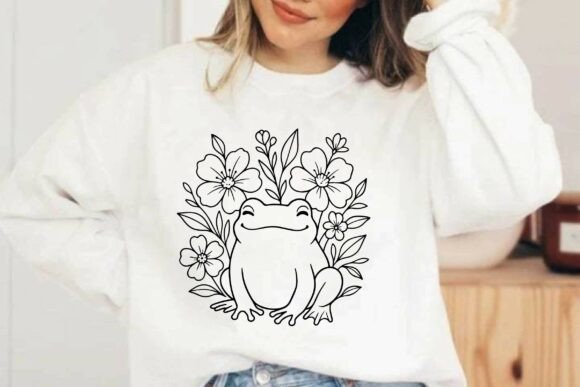
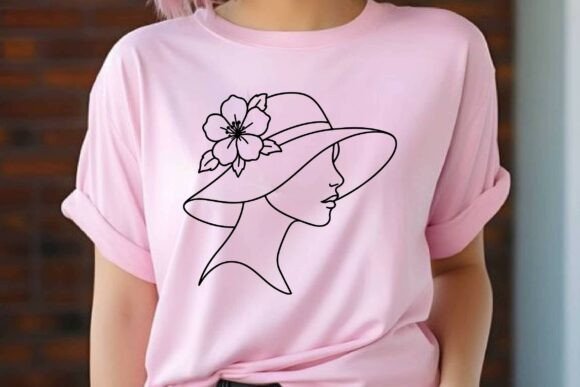
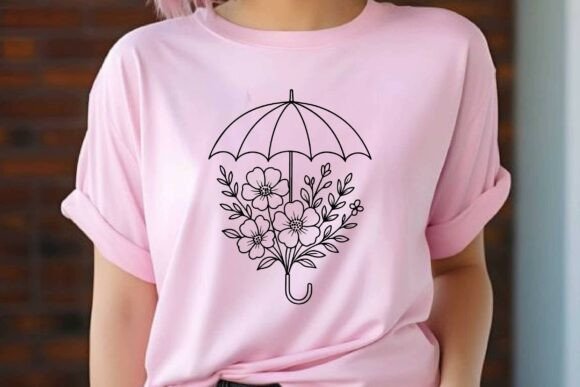
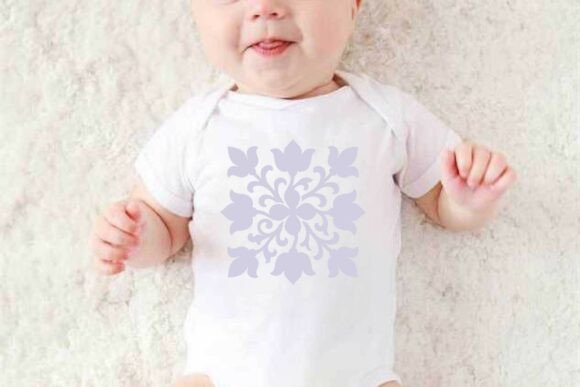
When you first load Floral Tile Clipart Vector Sublimation, the immediate takeaway is its versatility. As an Illustrations category piece falling under Graphics, it strikes a balance between intricate detail and structural clarity. The tile format suggests repetition, which is excellent for creating full-coverage patterns, but for embroidery, we often isolate sections or use the tile as a framing device. The mood is organic yet structured, making it suitable for a wide range of aesthetics—from rustic farmhouse chic to modern boutique branding.
The visual personality feels confident without being overwhelming. For an Etsy seller or small shop product creator, this is crucial. You want designs that catch the eye but don’t require hours of explanation. The lines are clean, and the negative space is well-managed, which hints at good performance when digitized. It doesn’t scream for attention; it invites the viewer to appreciate the craftsmanship of the stitches themselves.
Real-World Application: The Custom Tote Bag Scenario
To truly test this design, let’s imagine a specific scenario. You are preparing a batch of custom embroidered tote bags for a local craft fair. These aren't just plain canvas sacks; they are premium handmade products intended for gift-giving or daily use. You choose Floral Tile Clipart Vector Sublimation for a central medallion placement or perhaps as a repeating border along the handles.
Here is where the rubber meets the road. When digitizing this vector into an embroidery file, the tile structure allows for efficient stitching. If used as a border, the repeat pattern can be optimized to reduce thread changes and trim times. On a sturdy cotton canvas tote, the design shines. The fabric provides enough stability to support the weight of the threads, allowing the satin stitch edges to lay flat and crisp. Customers browsing at a booth will notice the professional finish—the lack of puckering and the clear definition of the floral shapes signal quality before they even touch the bag.
However, consider the finished product lifecycle. A tote bag takes a beating. If the design includes delicate, tiny details that might snag, it could be a liability. Fortunately, the strong outlines in this clipart provide a protective frame for the inner fill stitch areas, ensuring the design survives multiple washes and heavy loads.
Performance Across Different Garments and Items
Beyond totes, Floral Tile Clipart Vector Sublimation has potential in various other categories. Let’s break down how it performs in different contexts:
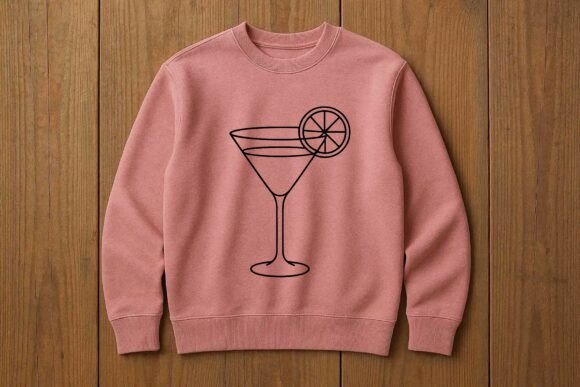
- Sweatshirt Embroidery: On a heavyweight hoodie, this design adds a touch of elegance to a casual garment. The contrast between the soft fleece and the structured floral pattern creates a high-end feel. Just ensure you use a cut-away stabilizer to prevent the fabric from distorting during the hoop process.
- Baby Embroidery: For onesies or burp cloths, the softness of the floral theme works well. However, keep the stitch density moderate. Babies’ skin is sensitive, and overly dense satin stitches can feel scratchy. This design’s inherent openness makes it easier to adjust for comfort.
- Embroidered Patches: The tile nature allows for easy cropping to create square or rectangular patches. These are popular for custom apparel like denim jackets or backpacks. The clean vector lines translate well into patch borders, giving a polished, store-bought look to DIY projects.
- Kitchen Towels and Aprons: Linen or cotton tea towels are perfect for showcasing the repetitive beauty of a tile design. Whether used as a holiday embroidery gift or a practical kitchen accessory, the design adds warmth to the home. The sublimation-ready nature of the source vector means it also looks great as a printed accent alongside the embroidery.
Where Caution Is Required
No design is universal, and Floral Tile Clipart Vector Sublimation has its limits. There are specific scenarios where you need to tread carefully:
- Small Hoop Sizes: If you attempt to place this design on a small area, such as the cuff of a child’s sleeve or the brim of a cap, you may lose critical details. Always check the hoop size requirements. If the design is too large for the available space, scale it down only if the resulting stitch count remains legible.
- Textured and Stretchy Fabrics: Avoid using this design on highly textured fabrics like chunky knits or stretchy spandex blends without significant stabilization. The needle penetration can cause shifting, leading to misaligned stitches. For caps or curved surfaces, a rigid backing or specialized hoop is essential.
- Dense Stitch Areas: While the design is generally open, any section converted to dense fill stitch needs proper underlay. On thin fabrics, dense stitching can show through to the reverse side, affecting the look and feel of the personalized gift.
- Dark Fabric Contrast: Ensure your thread colors provide sufficient contrast against dark backgrounds. A light floral design on black fabric requires bright, opaque threads to maintain visibility and impact.
Practical Designer Notes for Success
Before you commit to a full production run, follow these practical steps to ensure your embroidery project is a success:
Test on Scrap Fabric: Never skip this step. Use the same fabric and stabilizer combination you plan for the final product. This reveals how the fabric texture interacts with the thread and helps you adjust tension settings.
Check Stitch Density: Review the digitization for excessive density. High density saves time but increases bulk and cost. For items like pillow covers or blankets, a lighter touch often looks more luxurious and feels better.
Black and White Mockups: View your design in grayscale. This helps you assess the value contrast and composition without the distraction of color. It ensures the design has strong visual hierarchy.
Licensing and Commercial Use: Since this is a digital embroidery file or graphic asset, verify the licensing terms. Are you allowed to sell finished items? Can you use it in commercial embroidery for clients? Clearing this upfront protects your craft business from legal issues.
Stabilizer Selection: Choose the right stabilizer—cut-away for permanent wear, tear-away for lightweight temporary support. The wrong choice can ruin even the best design assets.
Final Verdict
Floral Tile Clipart Vector Sublimation is a solid addition to any designer’s library. It offers the flexibility needed for diverse embroidery projects, from simple personalized gifts to complex boutique branding. Its strength lies in its balanced detail and adaptability across various mediums. By respecting its limitations and following proper digitization practices, you can create professional, high-value products that resonate with customers. Whether you are an Etsy seller looking to expand your catalog or a hobbyist wanting to elevate your handmade creations, this design delivers on its promise of quality and aesthetic appeal.