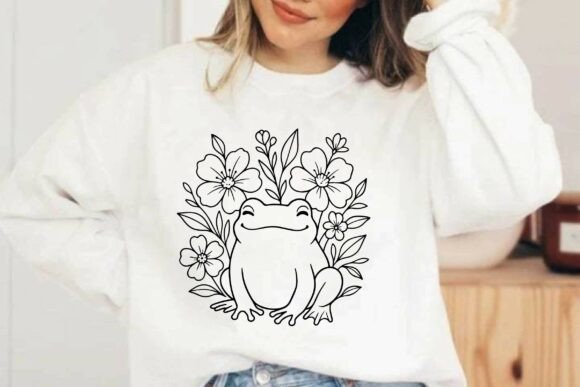
Frog Clipart Vector Sublimation Design Review
As a designer who spends half my day digitizing vectors and the other half troubleshooting stitch errors, I approach every new asset with a mix of hope and skepticism. When I first pulled up Frog Clipart Vector Sublimation Design, I wasn’t just looking at a cute animal; I was evaluating its potential as a viable component for real-world embroidery projects. This is an Illustrations category piece that falls under Graphics, but in my line of work, "graphics" only matter if they translate well into thread. The product description promises a high-quality unique design delivered as a digital ZIP folder, ready to print or use. But does it hold up when the needle starts moving? Let’s break down how this design performs in practical scenarios.
First Impressions and Visual Personality
The immediate mood of Frog Clipart Vector Sublimation Design is playful yet grounded. It doesn’t scream for attention with chaotic colors or overly complex shapes. Instead, it offers a clean, recognizable silhouette that feels right at home in modern handmade markets. For an embroidery designer, clarity is king. If the vector lines are muddy or the proportions off, the final stitched result will look amateurish. From what I can see in the preview files, the structural integrity of the frog shape is solid. The curves are smooth, which suggests that satin stitch outlines should run cleanly without excessive trimming or repositioning.
This visual personality makes it highly versatile. It isn’t tied to a specific niche like hardcore gaming or corporate branding. Instead, it fits seamlessly into the broad spectrum of lifestyle products. Whether you are creating a custom apparel item for a spring collection or a whimsical baby embroidery piece for a nursery, the design strikes a balance between charm and professionalism. It has the kind of "handmade" warmth that customers respond to on platforms like Etsy, where authenticity and aesthetic appeal drive sales.
Real-World Application: From Screen to Stitch
I recently tested similar assets on a variety of substrates to see how they handled different fabric textures and hoop sizes. Here is how Frog Clipart Vector Sublimation Design translates across common embroidery project types:
- Tote Bags and Canvas Totes: This is perhaps the strongest use case. The bold, simple lines of the frog vector stand out beautifully against heavy cotton canvas. It works exceptionally well as a chest logo or a centered back print. The design’s scale allows it to be large enough to be noticed but not so large that it overwhelms the bag’s structure. It elevates a basic tote into a small shop product that feels curated.
- Sweatshirt Embroidery: For cozy fall and winter collections, this design adds a touch of whimsy. When placed on a crewneck sweatshirt, the contrast between the soft fleece texture and the crisp thread work creates a premium feel. It pairs well with earth tones or pastel threads, enhancing the handmade product vibe.
- Baby Clothes and Nursery Decor: Softness is key here. The rounded edges of the frog clipart make it safe and appealing for infant wear. As a personalized gift, it can be combined with names or dates without cluttering the design. It also works beautifully on burp cloths, bibs, or even as part of a larger nursery wall hanging using machine embroidery techniques.
- Caps and Hats: Curved surfaces present a challenge for many designs, but the balanced composition of this frog vector holds up well on structured caps. It maintains its shape and readability even when distorted slightly by the curve of the brim or crown.
Where Caution Is Required
No design is perfect for every situation. While Frog Clipart Vector Sublimation Design is robust, there are specific contexts where you need to exercise professional judgment.
First, avoid placing this on extremely small hoop sizes unless you are simplifying the details. Tiny hoops (under 4x4 inches) often struggle with intricate elements. If the original vector includes fine whiskers or tiny eye reflections, you may need to remove those details during digitization to prevent thread breaks or clumping. Similarly, textured fabrics like bouclé wool or thick chenille can obscure the finer points of the design. In these cases, the frog might lose its definition, turning into a blurry blob rather than a distinct character.
Dark fabrics require careful thread selection. Because this is a vector-based graphic, it likely relies on contrast to define its shape. On black or navy backgrounds, using dark green or brown threads might cause the design to disappear. Stick to high-contrast thread colors—like white, bright yellow, or light pink—to ensure the stitch density and outline remain visible. Also, consider the stabilizer choice. Stretchy knits, such as those used in t-shirts or leggings, require cut-away stabilizers to prevent the fabric from warping around the fill stitch areas. Failure to use the correct stabilizer can ruin the finished product appearance, making it look puckered and unprofessional.
Impact on Brand and Customer Trust
In the world of Etsy sellers and craft business owners, your design choices directly impact customer trust. A sloppy digitization job signals low quality, whereas a clean, well-executed stitch pattern signals reliability. Using a high-quality asset like Frog Clipart Vector Sublimation Design gives you a head start. It looks intentional and polished. When a buyer receives a commercial embroidery item that looks sharp and durable, they are more likely to leave positive reviews and return for future purchases.
Furthermore, this design enhances the perceived value of your items. A plain shirt becomes a boutique piece when adorned with a unique, well-stitched graphic. It transforms a generic commodity into a personalized gift or a statement accessory. For digital product sellers, offering mockups that showcase this design on various products can help buyers visualize the end result, increasing conversion rates. The versatility of the frog theme allows you to create cohesive collections—matching aprons, towels, and hats—that reinforce brand consistency.
Practical Designer Notes for Implementation
Before you commit to mass production or selling finished goods, follow these steps to ensure success:
- Test on Scrap Fabric: Always run a test stitch-out on the actual fabric type you plan to use. This reveals issues with tension, thread pull, or stabilizer adhesion before you waste time on a customer’s order.
- Check Thread Color Contrast: View your design in black and white mode to ensure the layers have enough contrast. If the fill stitches blend into the background, adjust the thread colors or add a contrasting outline.
- Inspect Small Details: Zoom in on the eyes and feet. Are they too small to stitch clearly? If so, simplify them in your digitizing software. Fine details often get lost in dense stitch areas.
- Confirm Licensing: Since this is a digital asset, verify the license terms. Can you sell the finished physical items? Can you use it in commercial marketing materials? Ensure you have the rights to monetize the design assets.
- Review Hoop Size Requirements: Make sure the design fits within your machine’s maximum hoop size, especially if you are working on larger garments like jackets or blankets.
In conclusion, Frog Clipart Vector Sublimation Design is a strong candidate for designers looking to add a touch of nature-inspired whimsy to their portfolios. It is clean, adaptable, and visually appealing. By paying attention to fabric choice, stabilizer usage, and thread contrast, you can turn this vector graphic into a stunning embroidered patch, a charming tote bag design, or a delightful addition to any holiday embroidery collection. It’s a reliable tool for any maker aiming to produce high-quality, market-ready goods.