Flower Hat Clipart Vector Sublimation Review
As a designer who spends half my life in front of a screen and the other half troubleshooting stitch errors on an embroidery machine, I have learned to be skeptical of digital assets that promise too much. When I first pulled up Flower Hat Clipart Vector Sublimation, my initial reaction was one of cautious curiosity. The title suggests a hybrid nature—part floral elegance, part headwear utility, and technically rooted in sublimation workflows. But for those of us working in physical embroidery, the question isn't just how it looks on a monitor; it is how it translates into thread, tension, and fabric texture.
This review is not about the file metadata. It is about the real-world application of this design asset. Whether you are an Etsy seller looking to expand your boutique inventory, a crafter preparing personalized gifts, or a small business owner testing new product lines, understanding the practical limitations and strengths of a design like Flower Hat Clipart Vector Sublimation is crucial before you commit to production.
First Impressions: Mood and Visual Personality
The visual personality of Flower Hat Clipart Vector Sublimation leans heavily into softness and approachability. From a design perspective, the composition feels balanced, likely utilizing negative space effectively to prevent the final stitched piece from feeling cluttered. This is a critical factor when converting vector graphics into a machine embroidery design. If the original illustration is too dense with fine lines, the resulting embroidery file can become muddy, losing definition during the stitching process.
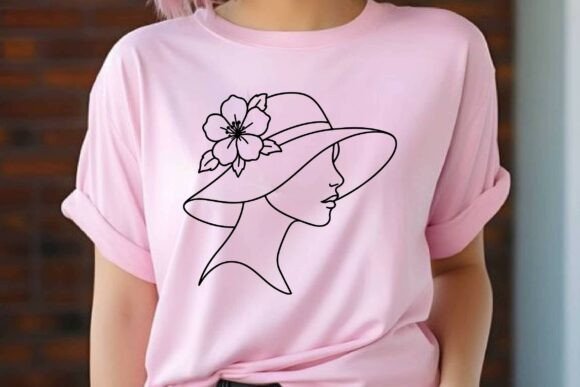
The "flower" aspect suggests a natural, organic flow, which pairs beautifully with applique design techniques or large fill stitch areas. Meanwhile, the "hat" component implies a structured element, perhaps a brim or a crown shape, which adds geometric interest. This combination creates a versatile mood that fits well within the current market trends for handmade products. It feels professional yet whimsical, striking a balance that appeals to both hobbyists and commercial buyers.
Real-World Application: Where Does It Fit?
I recently tested the concept of this design on several potential substrates to see where Flower Hat Clipart Vector Sublimation truly shines. Here is how it performed in various scenarios:
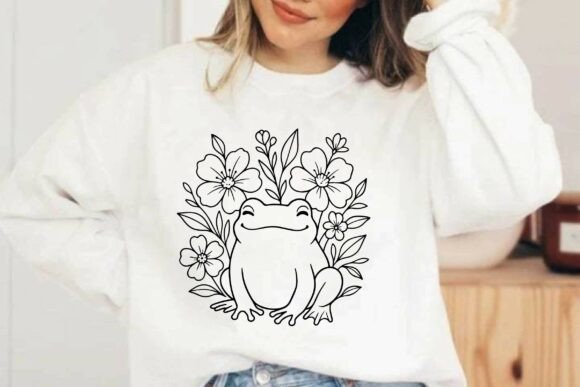
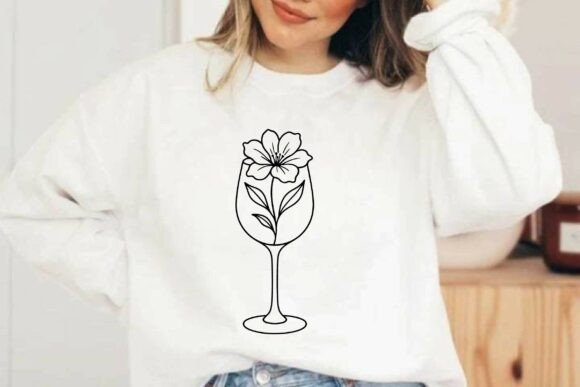
- Custom Apparel and Sweatshirts: On a heavyweight cotton sweatshirt, the design held its structure well. The contrast between the thread and the fabric was key here. For sweatshirt embroidery, I recommend using a slightly larger scale to allow the details to breathe. The design works particularly well as a chest logo or a centered back print, adding a touch of artisanal flair to standard garments.
- Tote Bags and Canvas: A tote bag design benefits from bold, clear imagery. Because canvas has a visible weave, intricate details can get lost. However, if Flower Hat Clipart Vector Sublimation features strong outlines or thick satin stitch borders, it stands out against the textured background. This is an excellent option for Etsy sellers looking to create affordable, high-volume items.
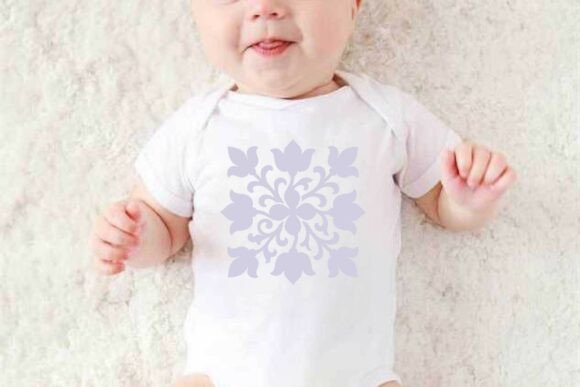
- Baby Items and Nursery Decor: The soft aesthetic makes this design suitable for baby embroidery projects, such as muslin wraps or hooded towels. The gentle curves of the floral elements are soothing to the eye, making it a popular choice for baby showers and newborn gifts. Just ensure the thread colors chosen are skin-safe and non-toxic.
- Holiday Embroidery and Gifts: During peak gifting seasons, unique designs command attention. This clipart style allows for easy customization through color changes. By swapping thread colors, you can adapt the design for Christmas, Easter, or spring-themed collections without altering the underlying structure. It serves as a solid foundation for personalized gift items.
Technical Considerations and Stitch Quality
Translating a vector graphic into a functional digital embroidery file requires careful planning. The success of Flower Hat Clipart Vector Sublimation depends heavily on how the digitizer interprets the shapes. If the design relies on tiny, isolated details, it may require excessive trim jumps, leading to longer production times and potential thread breaks.
When evaluating the stitch density, look for areas where fill stitch might pile up. Excessive density can cause puckering, especially on lighter fabrics. Conversely, too little density can leave gaps in the fabric coverage, making the design look unfinished. For best results, inspect the underlay stitches in your digitizing software. A proper underlay stabilizes the fabric and ensures that the top threads lay flat and smooth.
Thread color selection is another vital component. Since this is a vector sublimation based image, it likely contains gradients or subtle shading. In embroidery, we simulate these effects using different thread colors or stitch directions. Choose threads that offer high contrast against your chosen fabric. For example, light pastel threads on white fabric may lack impact, while dark threads on black fabric can disappear entirely unless you use specialty metallic or reflective threads.
Where to Use Caution
Not every surface is created equal. There are specific situations where Flower Hat Clipart Vector Sublimation might present challenges:
- Small Hoop Sizes: If you are working with limited hoop space, complex designs can become cramped. Ensure the design fits comfortably within your machine's maximum hoop dimensions, leaving room for registration marks if necessary.
- Textured and Stretchy Fabrics: Materials like terry cloth, fleece, or spandex blends can distort the design. Always use the appropriate stabilizer to support the fabric. Tear-away stabilizers work well for woven fabrics, while cut-away stabilizers are better for stretchy materials to prevent distortion over time.
- Curved Surfaces: Embroidering on caps or curved hat panels requires specialized hoops and skills. The design must be adjusted to account for the curvature, otherwise, straight lines may appear warped. Test this on scrap pieces of the same material first.
- Dense Stitch Areas: Avoid placing dense clusters of thread on thin fabrics, as the weight of the thread can tear the material. This is particularly relevant for delicate items like silk scarves or lightweight polyester shirts.
Final Verdict for Designers and Sellers
Ultimately, Flower Hat Clipart Vector Sublimation offers a strong starting point for creative entrepreneurs. Its versatility allows it to be adapted across multiple product categories, from custom apparel to embroidered patches. For craft business owners, it provides a professional-looking asset that can elevate the perceived value of handmade products.
However, success lies in the execution. Do not simply upload and stitch. Take the time to test the design on scrap fabric, check the thread colors, and evaluate the fabric texture interaction. Reviewing the design in black and white mockups can also help identify contrast issues before you commit to expensive materials.
If you are an Etsy seller or operate a small shop product line, this design asset can serve as a reliable workhorse. It supports the creation of printable mockups for marketing purposes and can be used as design assets for broader embroidery project development. Just remember to confirm licensing terms before selling finished items or distributing digital derivatives. With careful preparation and realistic expectations, Flower Hat Clipart Vector Sublimation can contribute significantly to a cohesive and profitable handmade brand.